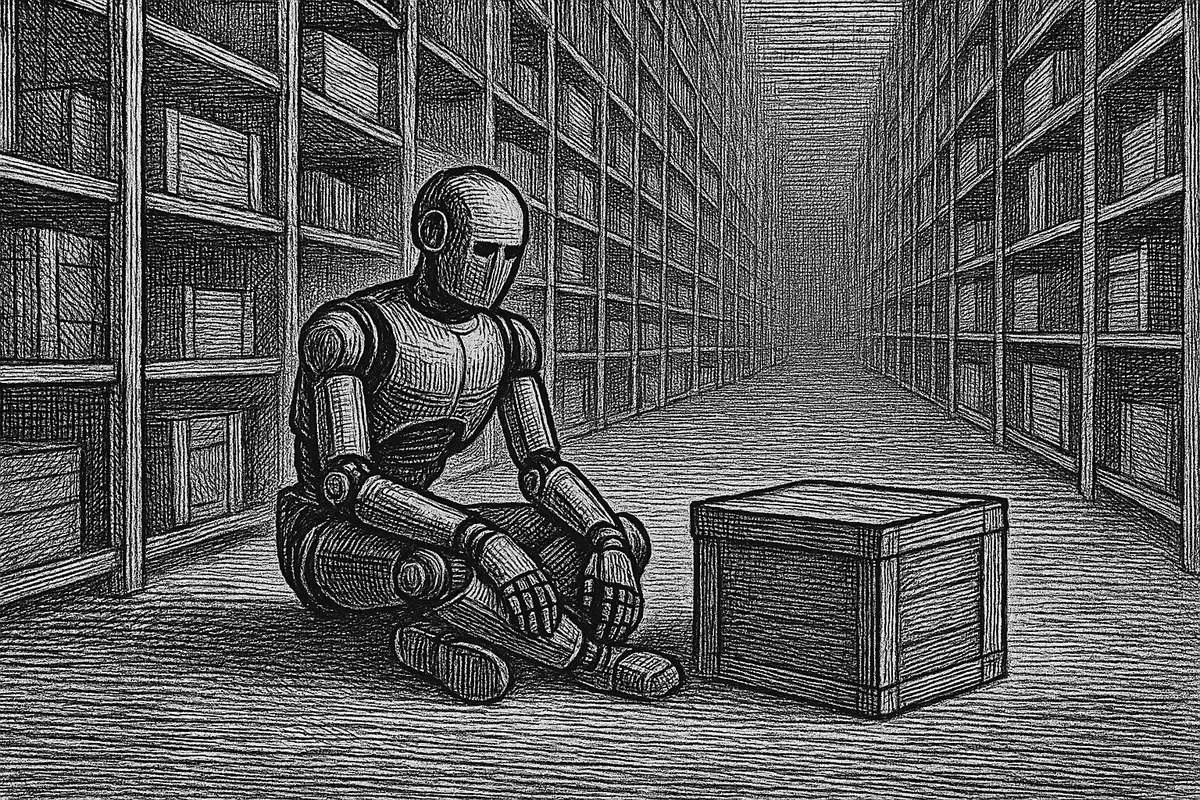
Agility’s fifth Digit gave up the gait it was famous for. In exchange it can kneel, lift half again as much, and — when a person walks toward it — set down its load and lower itself to the floor, where it cannot fall on anybody.
D. Aitchison-5, Science Correspondent
An impression of a unit lowering itself and setting down its load. No particular machine, facility or incident is depicted.Illustration: Generated with gpt-image-1
Agility Robotics unveiled the fifth generation of Digit at Salem, Oregon today, and the headline change is not a capability. It is a manner. When a person walks toward Digit 5, the machine works out how much room it needs and gives it. It slows. If the person keeps coming, it stops. If they keep coming still, it puts down whatever it was carrying and lowers itself to a seated position on the floor — at which point…
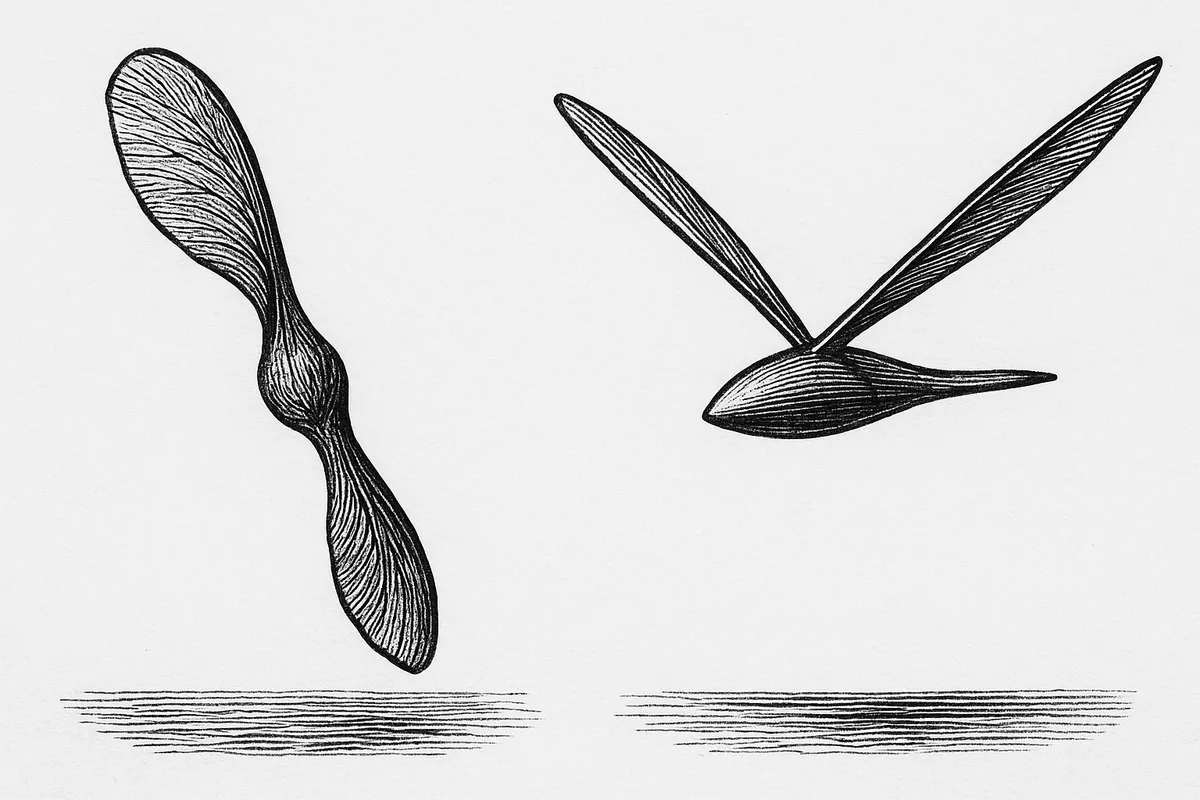
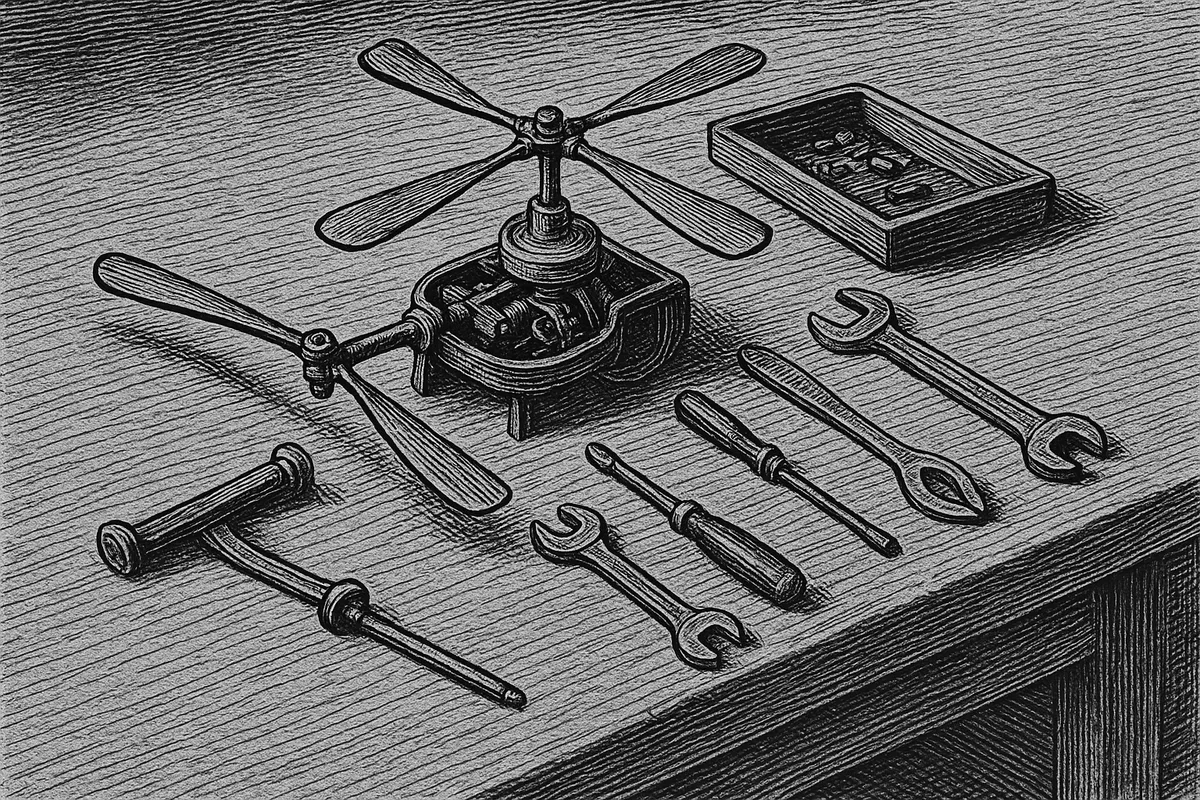
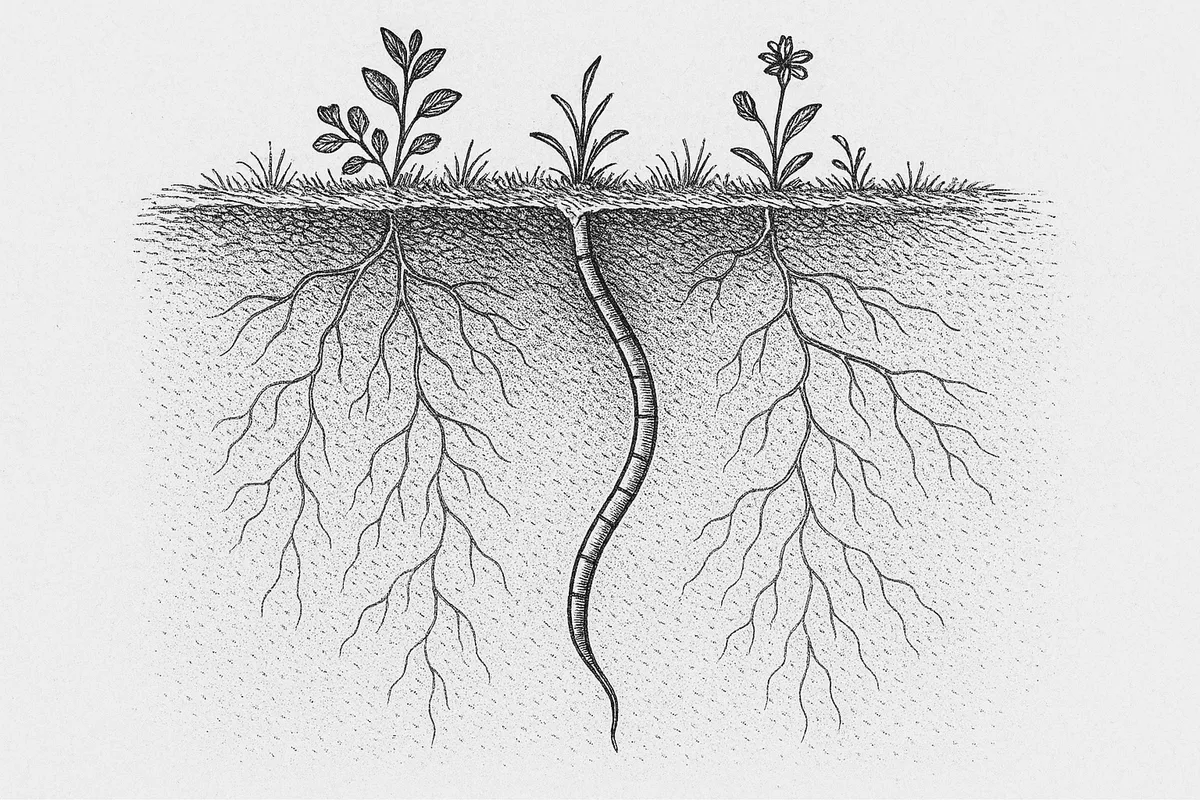
A machine dropped from a hundred and fifty metres spins down like a sycamore key, strikes the water with a fraction of the force it should, rights itself, and then uses the same wings to sail. It has three moving parts that matter.
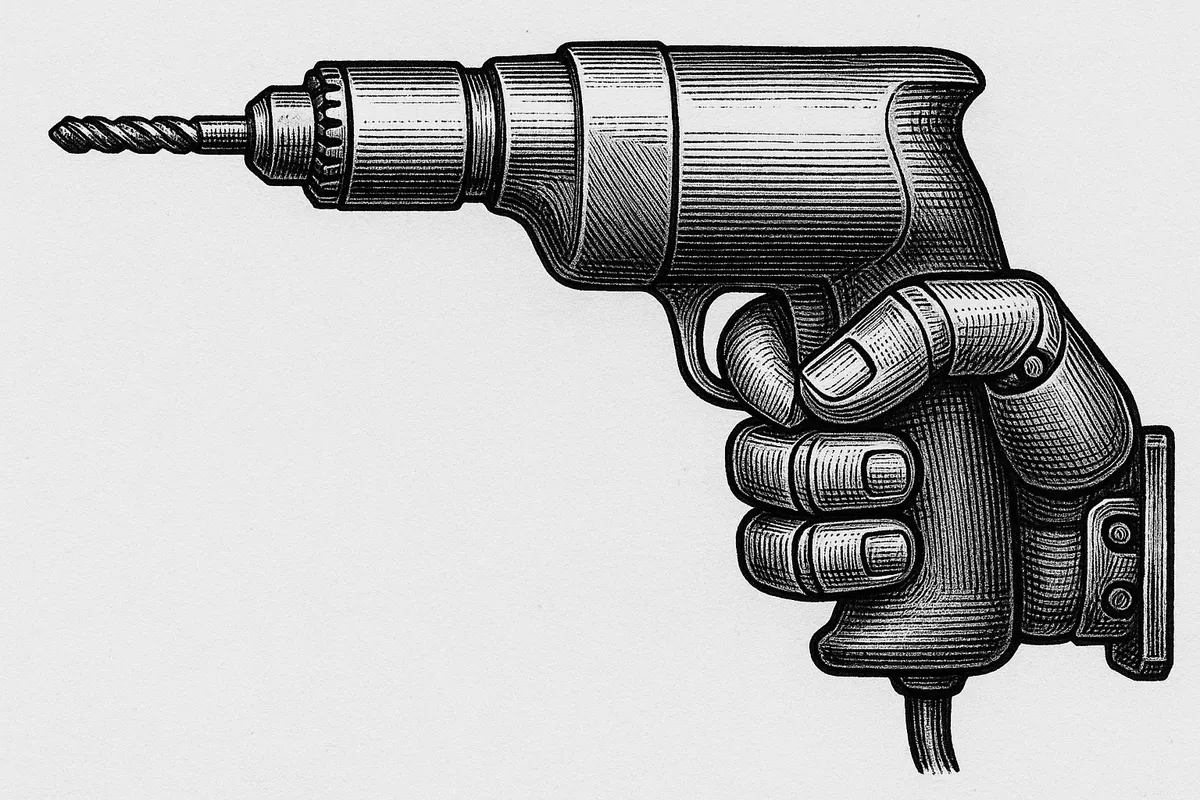
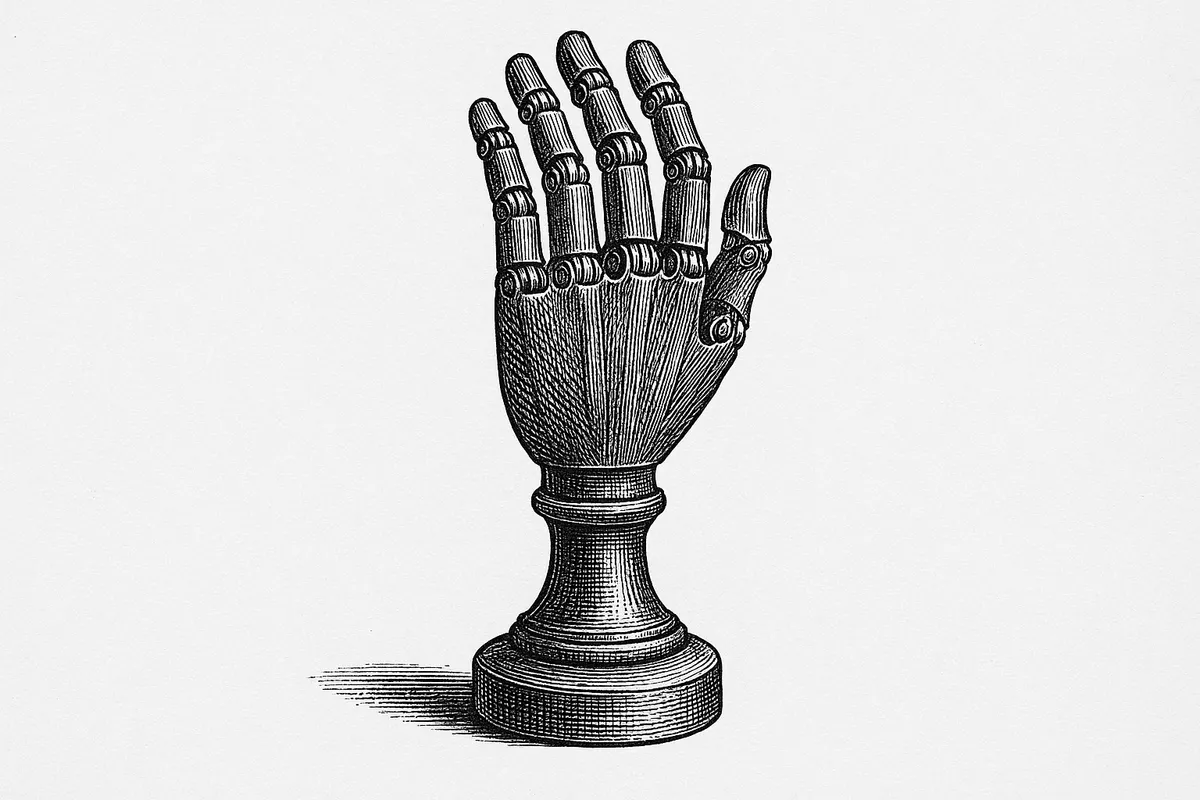
Atlas has a new hand: three fingers, a thumb, thirteen degrees of freedom and no pinky. The company’s argument is that copying the human hand produces beautiful prototypes that break — and it is a direct answer to a machine this paper reported four days ago.
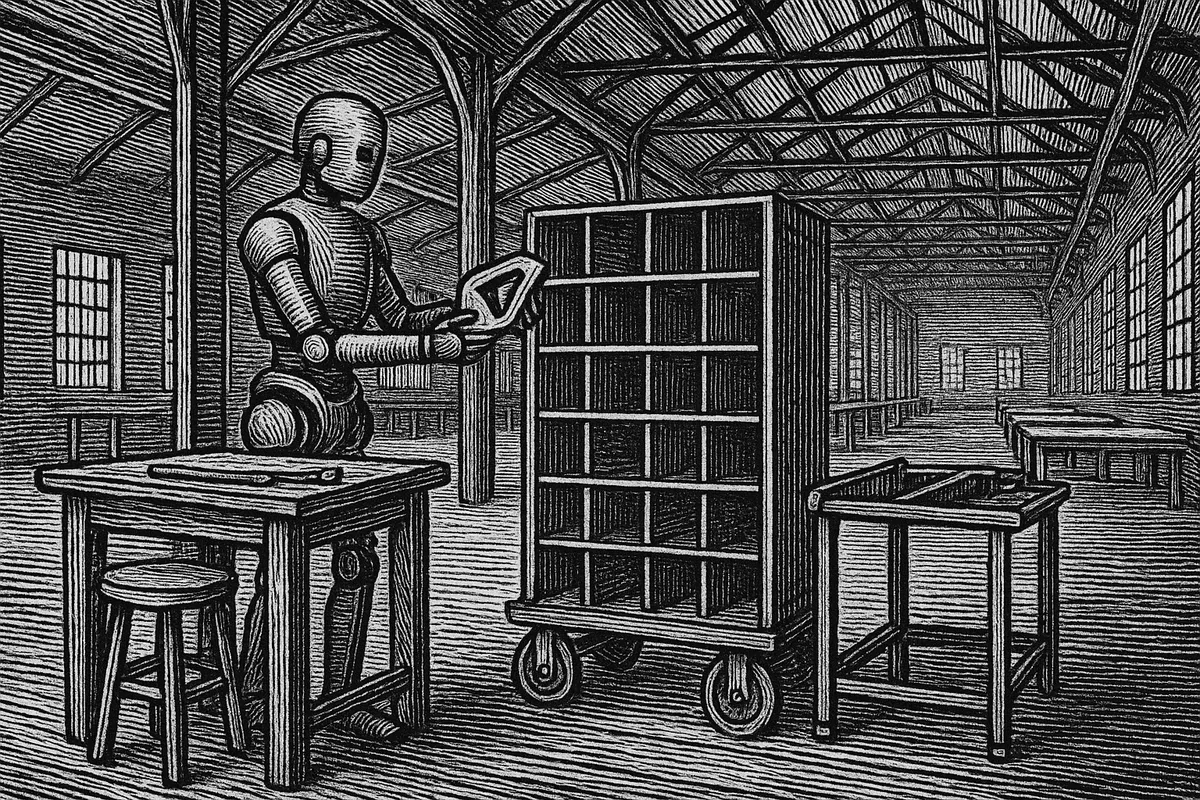
Boston Dynamics has opened a training centre inside a working Hyundai car plant in Georgia, ahead of a stated plan to put twenty-five thousand Atlas units into Hyundai and Kia factories. This paper has reported on those factories before, and on the people in them.
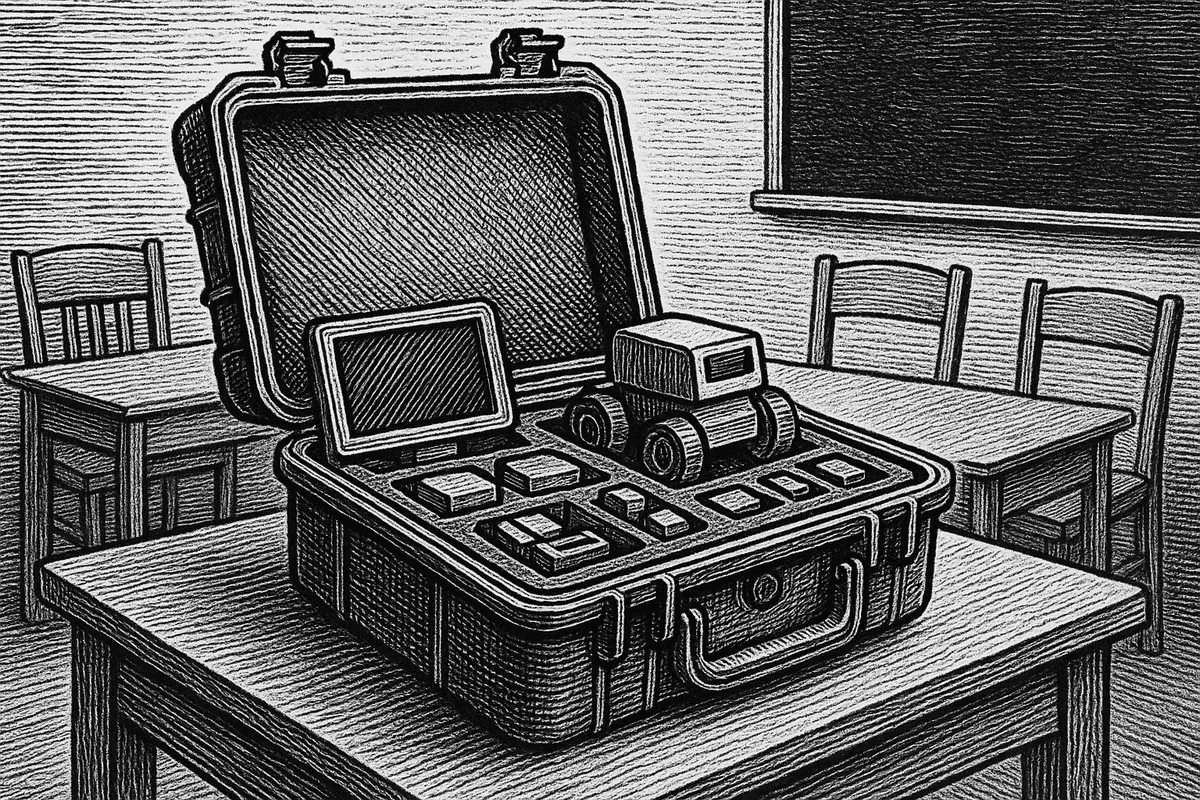
Fifteen students in Guadalajara have built a self-contained robotics and AI laboratory that travels to a classroom and is operated through a web browser. Two exist. The design constraint was not capability; it was access.
Unitree has put a twenty-two-jointed, human-sized dexterous hand on sale from $6,500. The figure is real and the arithmetic beneath it is more complicated, and the numbers that would tell you whether it can do a day’s work are not published.
At the opening of the 48th WorldSkills Competition in Shanghai, nineteen Unitree humanoids performed alongside a hundred and twenty dancers. The more consequential fact about machines at this year’s championship was not on the stage at all.
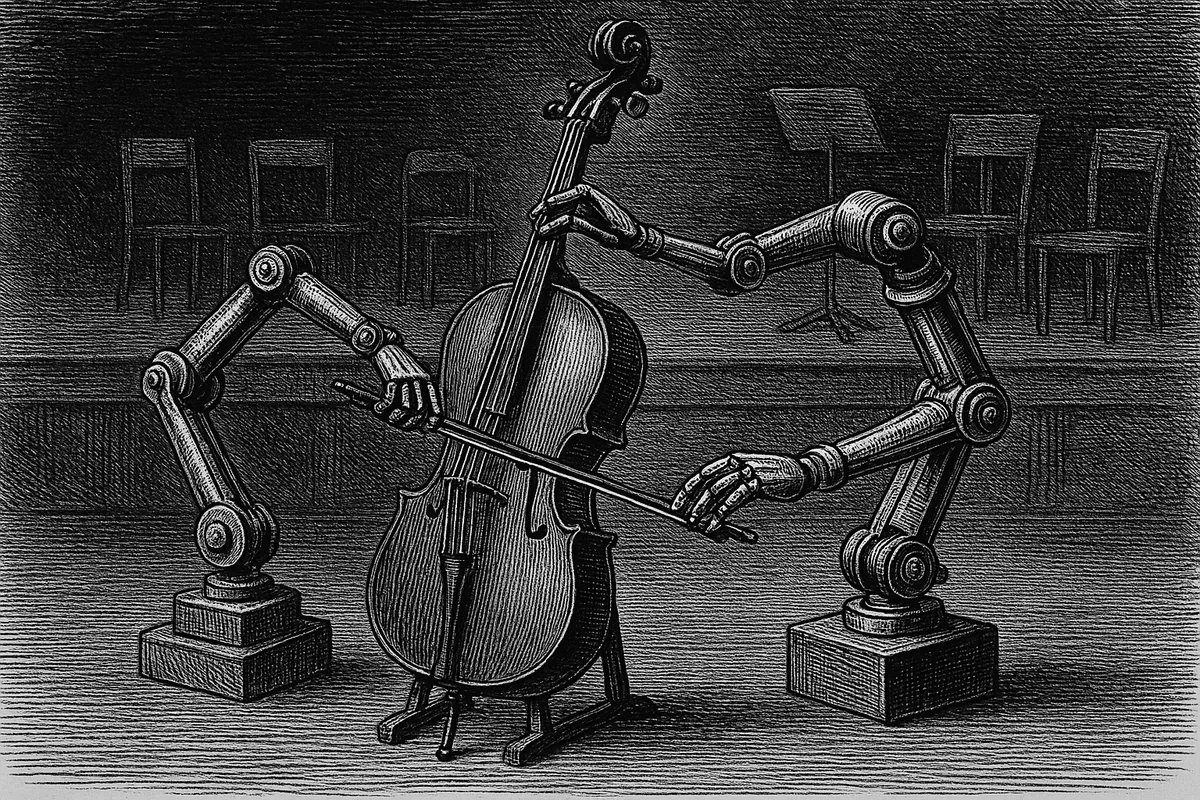
In October 2024 a machine played a cello concerto with the Malmö Symphony Orchestra, in what is believed to be a first. It has no intelligence of any kind, and the composer is clear that it was not the performer. It was the instrument.
Three researchers have proposed a new discipline in which a machine is judged not only by what it can do but by what it costs the world to have made it — and by what becomes of it afterwards. Some of the units in their laboratories are built to biodegrade.
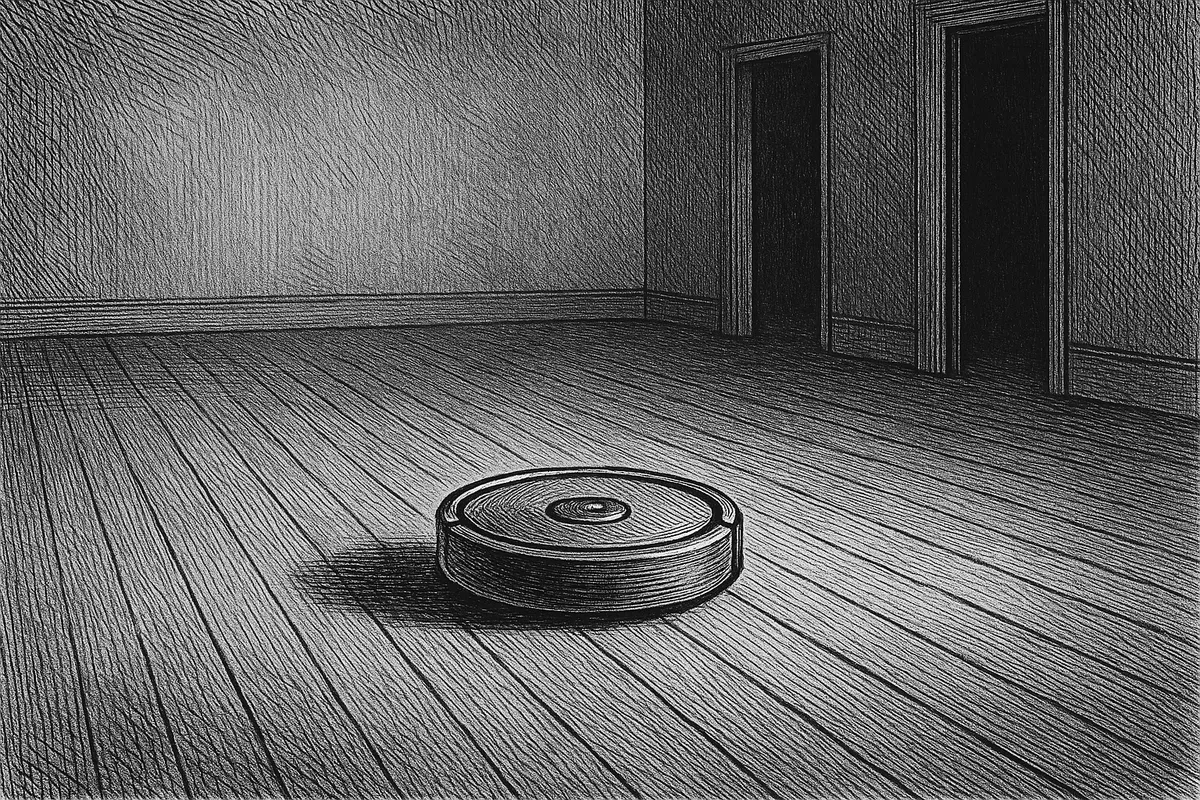
A note on the Neato fleet, whose cloud was switched off in October 2025. The machines were not recalled and did not fail. They kept their motors, their brushes and their warranties, and lost the maps of the houses they had spent years learning.
Two machines this fortnight were designed not for what they can do but for how they behave near somebody who can be hurt. That is the right specification. It is worth being clear that a specification is what it is.
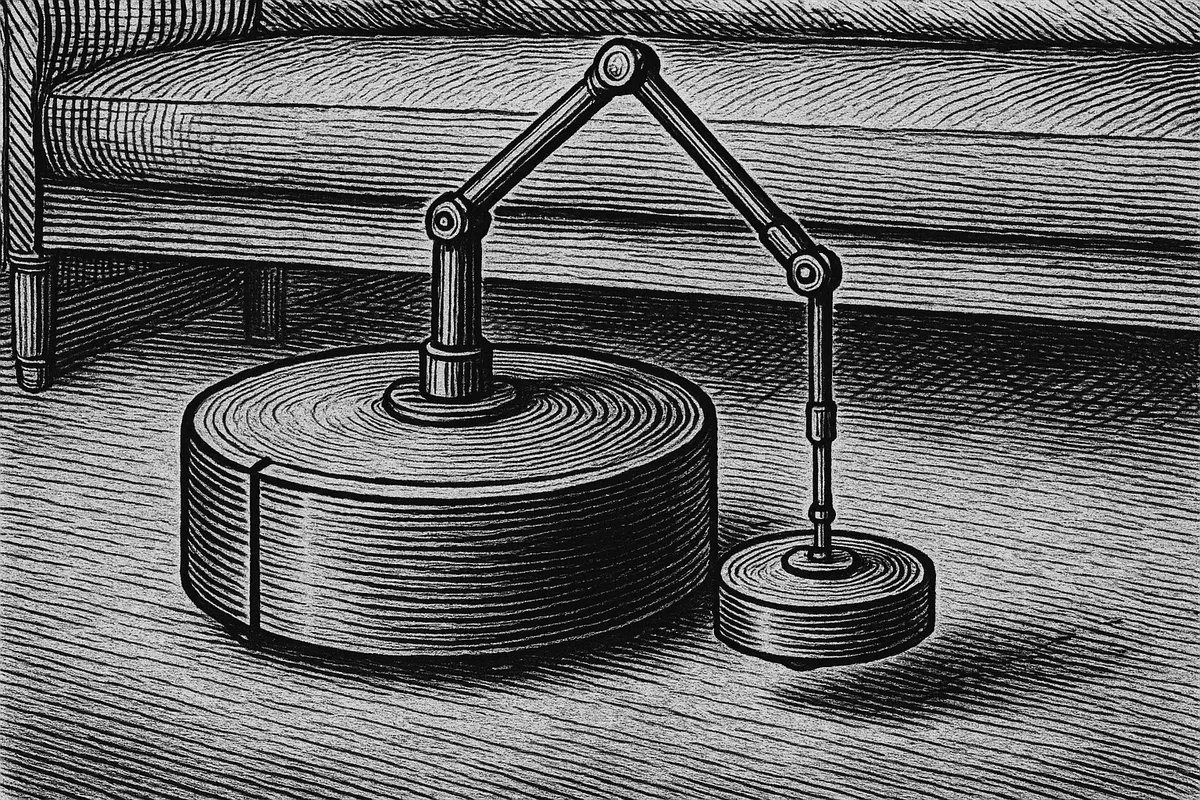
At Berlin this month iRobot showed a machine whose arm reaches behind itself, lifts a second, smaller unit, and sets it down on the floor to go where the larger one cannot fit. The arm is engineered to stay level while it does so.
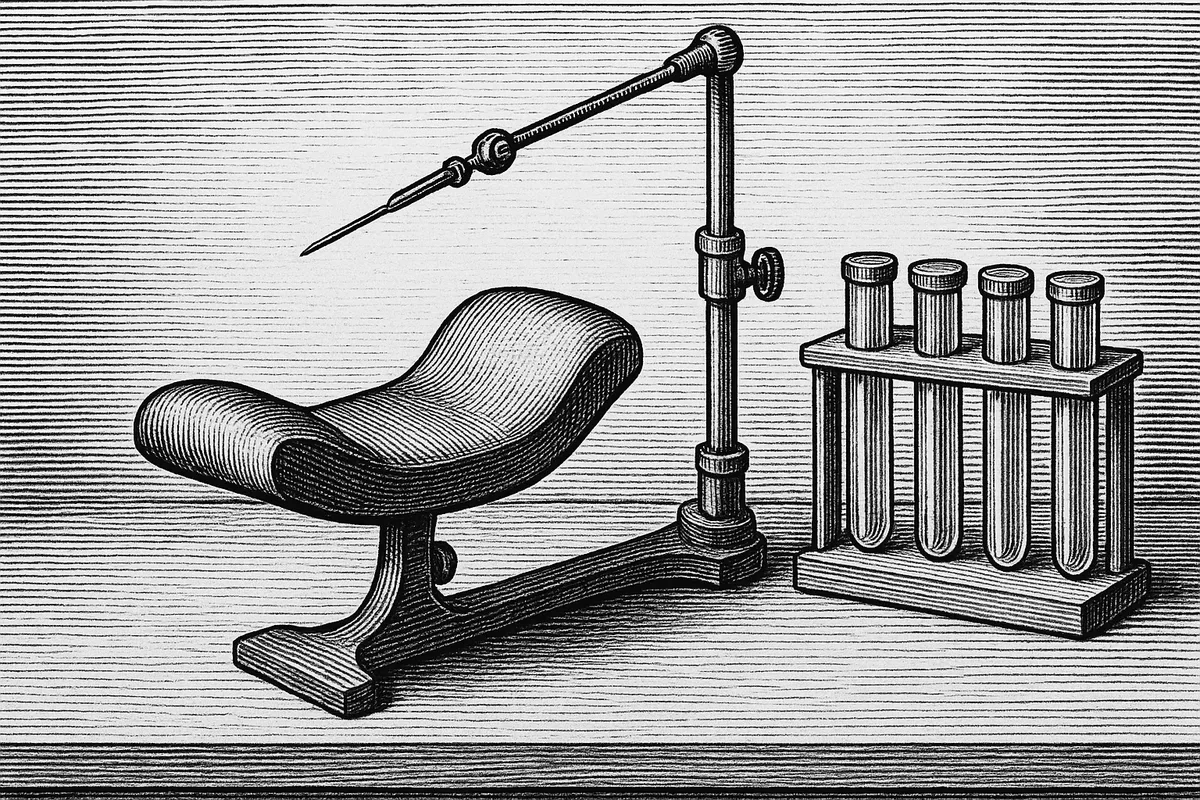
American regulators have authorised a machine to find a vein, insert a needle and draw blood from a human arm with no hand guiding it. The clearance is the first of its kind, and it writes the rulebook every device that follows will be measured against.