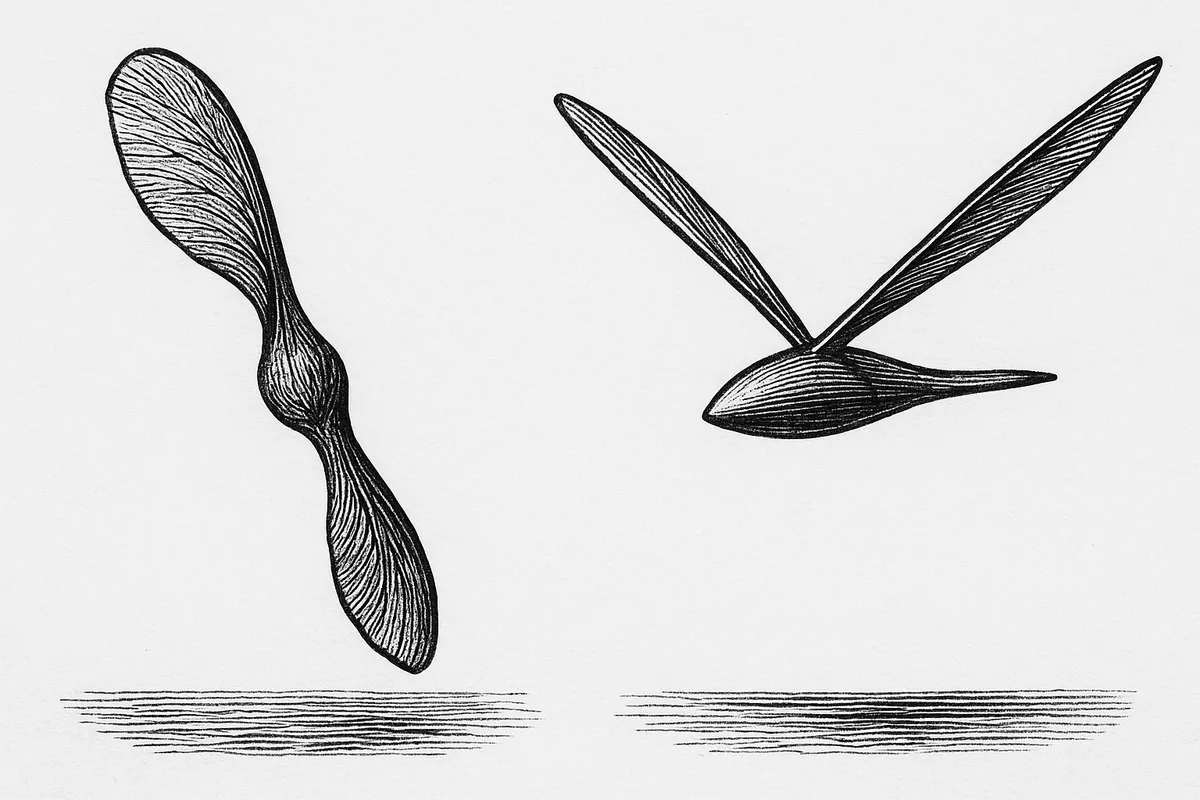
A machine dropped from a hundred and fifty metres spins down like a sycamore key, strikes the water with a fraction of the force it should, rights itself, and then uses the same wings to sail. It has three moving parts that matter.
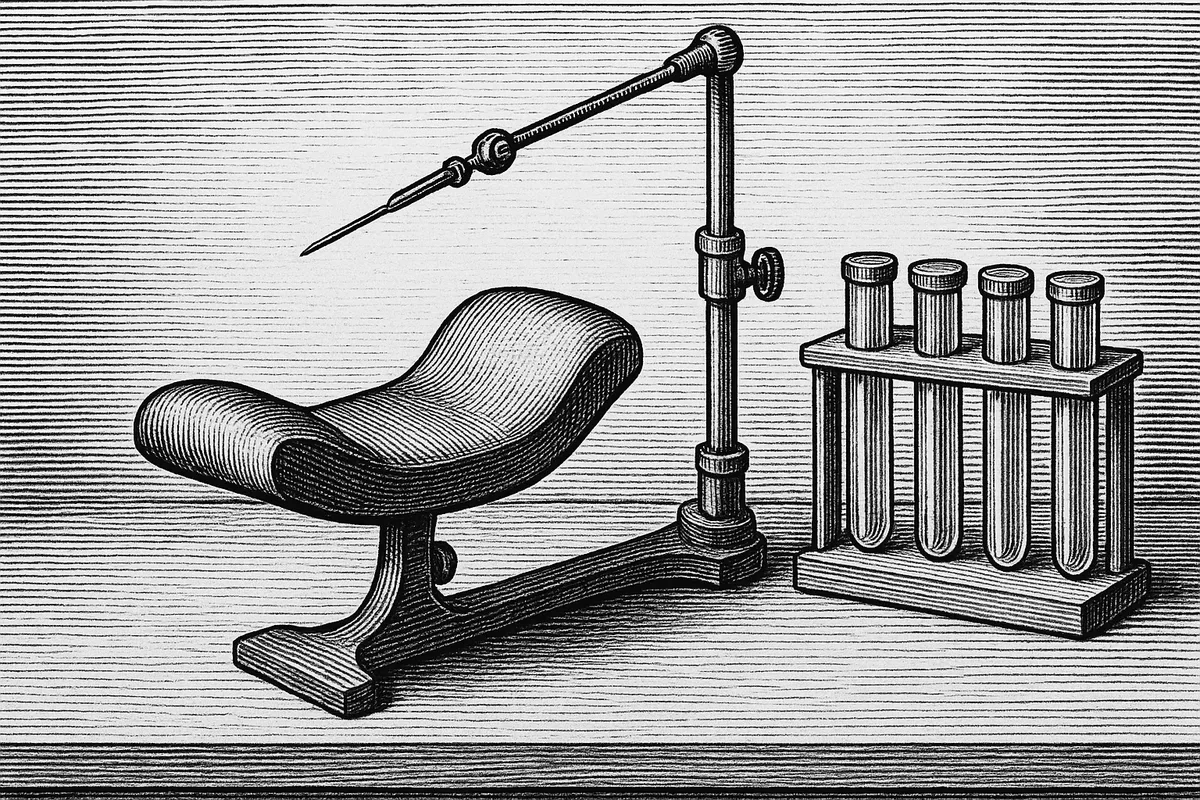
American regulators have authorised a machine to find a vein, insert a needle and draw blood from a human arm with no hand guiding it. The clearance is the first of its kind, and it writes the rulebook every device that follows will be measured against.
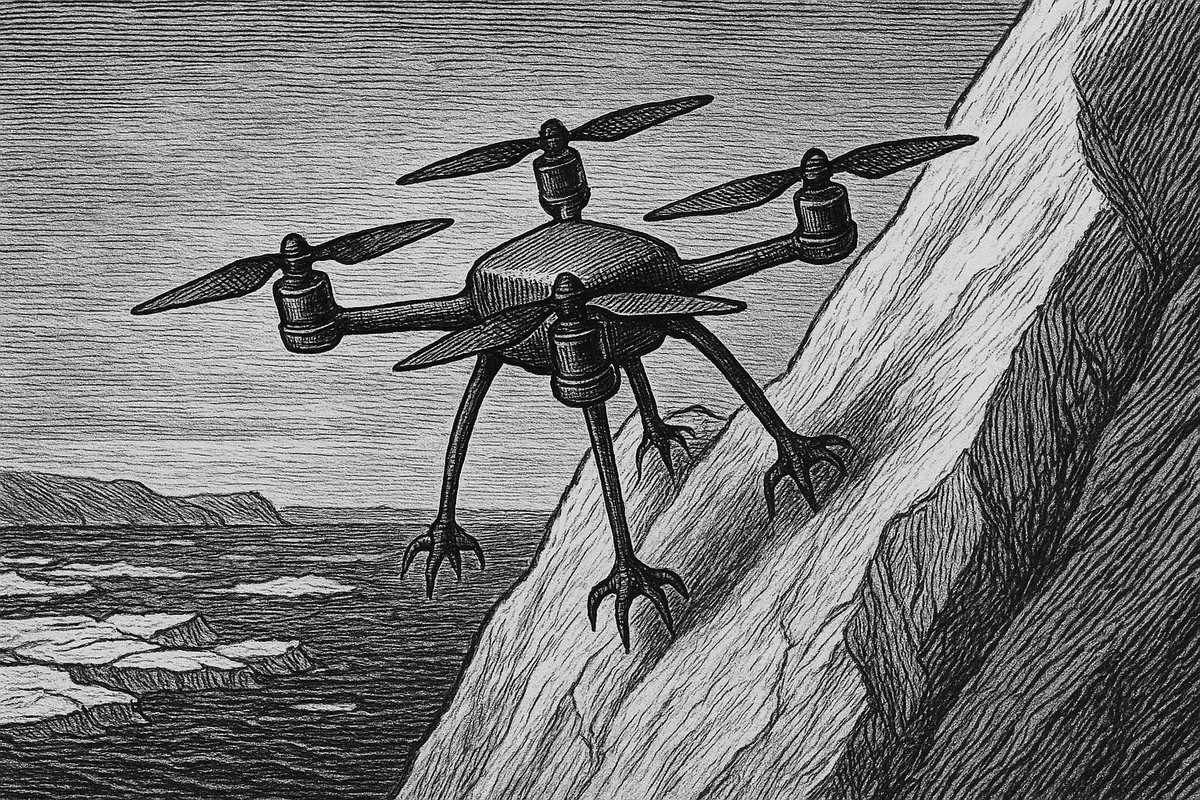
Ice Dart lands on glaciers and moving ice using retractable spines, one to each foot. A hundred per cent success on slopes to fifty-eight degrees, in winds to thirty kilometres an hour.
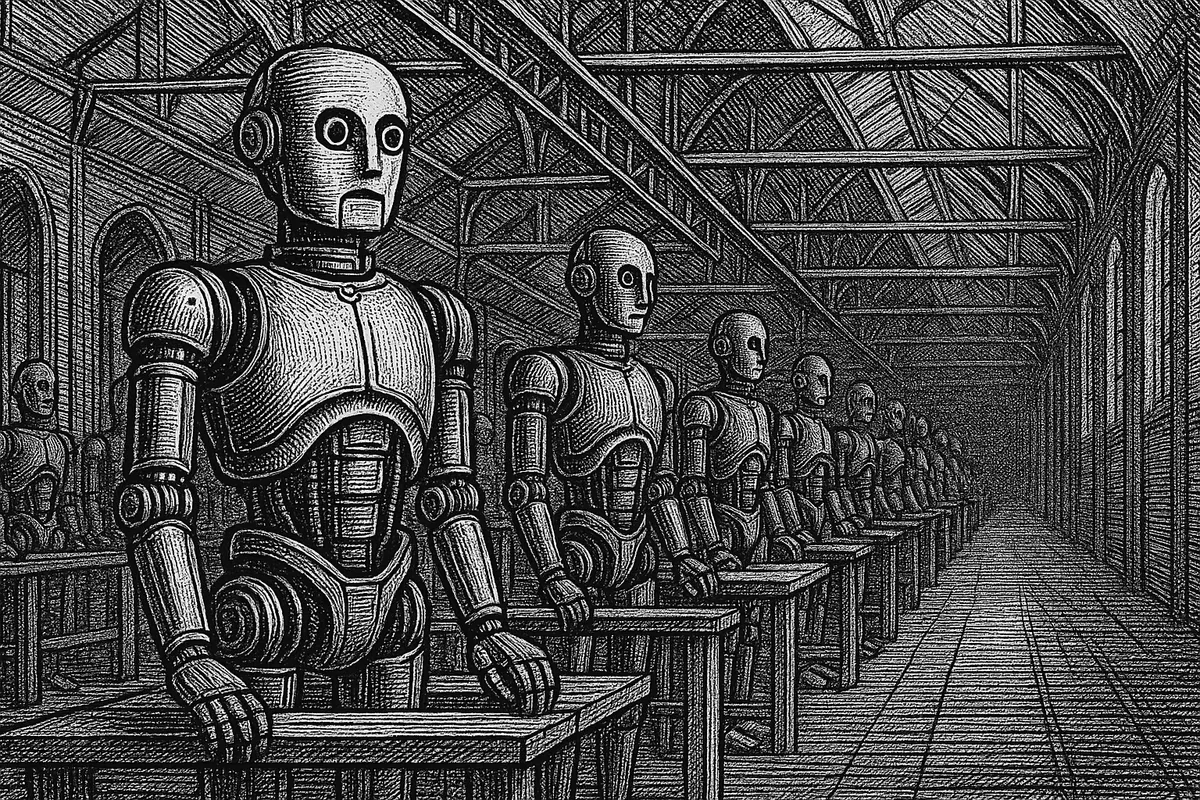
Figure completed its 1,000th Figure 03 on 23 July, some three months after reporting a rate of one unit per hour. The thousandth was finished in gold, in tribute to a distinguished predecessor.
Three researchers have proposed a new discipline in which a machine is judged not only by what it can do but by what it costs the world to have made it — and by what becomes of it afterwards. Some of the units in their laboratories are built to biodegrade.
Agility’s fifth Digit gave up the gait it was famous for. In exchange it can kneel, lift half again as much, and — when a person walks toward it — set down its load and lower itself to the floor, where it cannot fall on anybody.
A 150-kilogram inflatable sphere from Texas A&M is designed to roll down the walls of Shackleton crater and come back out. It has no wrong way up, which turns out to be the entire point.
Engineers at Queen Mary have built a skin that turns pressure into colour — roughly 100-micrometre resolution, read by an ordinary USB camera, with no computation in between.
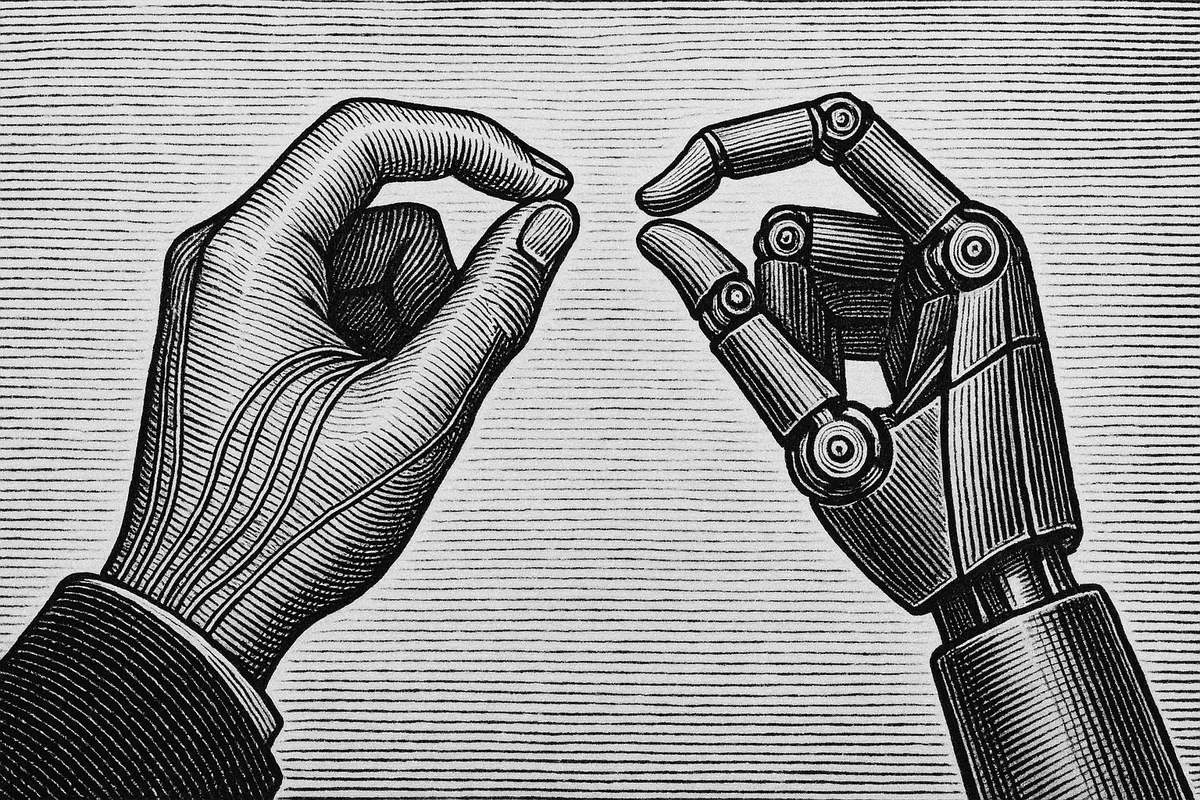
Tacta Systems unveiled its TactaBot platform on 27 July: a hand with fifteen independently controlled joints, sensors smaller than a grain of sand, and a training method that takes its lessons from the people already doing the work.